Podcast Transcript
0:03 Welcome to It Comes in Pints, a Seattle Study Club podcast where we explore topics including clinical care, health and well-being, psychology, education, business, and much more. I’m your host, Greg Tice.
0:20 I’m David Schwab. I’m a professional speaker, consultant, and coach for dental practices. I help practices educate their patients, train their teams, and grow their practices.
0:40 Joining us this time is Dr. David Schwab. David and I go back a long way, probably to 1998 at the Seattle Study Club meeting in Seattle.
1:26 Greg explains that he wants the podcast to feel like a conversation in a pub, so they each open a drink. David has a Heineken Zero, and Greg opens a beer before they begin.
2:10 Greg asks David how he first got into dentistry. David explains that he was finishing his Ph.D. in English at Northwestern when he got an interview at the American Dental Association. He was hired to administratively run the ADA’s accreditation program, which became his “residency” in dentistry as he traveled around the country learning about the profession.
3:31 David describes his six years at the ADA, including running seminar programs and eventually becoming director of marketing. He later became executive director of the American College of Prosthodontists, helping the organization gain recognition and build a presence in the ADA building.
5:17 David explains that speaking and consulting grew alongside his ACP work until he eventually left to focus full time on speaking and consulting.
6:25 Greg notes that David’s approach to marketing is different because he does not focus only on clicks and likes. David says his work is really about marketing communication: relating to people, explaining things clearly, following up in a low-key but methodical way, and training the dental team.
8:18 They discuss how many practices spend money to make the phone ring but do not invest in what happens when someone answers the phone. David emphasizes that patients coming from advertising or the internet may need a very different communication approach than patients referred by word of mouth.
9:07 Greg asks about David’s recurring fictional patient, Mrs. Higginlooper. David explains that he created the name after hearing another speaker overuse “Mrs. Jones” throughout a course. The name stuck and became part of his presentations.
11:14 Greg asks what David is reading. David says he reads widely: history, business, AI, mysteries, good writing, and articles that may spark ideas he can relate back to dentistry.
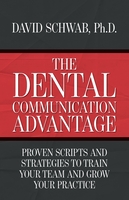
12:59 Greg turns to David’s book, The Dental Communication Advantage, and asks why he wrote it. David says people kept asking whether he had a book. After years of speaking, writing articles, and consulting, he wanted to collect stories, lessons, and practical ideas into one comprehensive resource.
15:04 David explains that the book is structured in short, practical sections. Each chapter ends with a “Your Turn” section that can be used for team discussion, review, and staff meetings.
17:00 Greg asks about the elevator pitch chapter. David explains that saying “I’m a dentist” can shut down a conversation, while a more thoughtful answer can open the door to questions and connection. He calls this “dentistry in the wild,” where dental professionals need to be ready to talk about what they do outside the office.
22:03 Greg asks for three major takeaways from the book. David starts with verbal skills, including using “dental benefits” instead of “dental insurance” because dental insurance does not function like medical insurance. He recommends saying treatment is “beyond the scope of dental benefits” rather than saying something is “not covered.”
24:31 David discusses value for the dollar and quotes Jeff Bezos: instead of asking what will change, ask what will not change. David says customer service and value will always matter.
25:18 David explains his five pillars of value: prevention, health, function, aesthetics, and quality of life. He gives the example of replacing a missing tooth and explaining the broader benefits beyond simply filling a gap.
27:00 Greg asks whether curiosity is as important as explaining value. David says both matter. A patient’s motivation creates a window of opportunity, and the team needs to understand why the patient came in now.
28:37 Greg asks whether curiosity can be taught. David says yes. He explains that scripts are really talking points, not robotic wording. Team members can be trained to ask better questions, break the ice, explain what will happen, and help patients relax.
30:15 David’s third takeaway involves practices that want to leave insurance plans. He advises against sending a blunt letter saying the practice is dropping the plan. Instead, practices should communicate personally and systematically, explaining that they can no longer work directly with the plan while maintaining their standards of care.
33:36 David explains that team members need practice with these conversations. He avoids calling it role-playing and instead calls it practice or rehearsal, comparing it to preparing for a Broadway performance before the curtain goes up.
35:34 David says he often works with excellent practices that want to get even better. He notes that the best practices are the ones most interested in improving.
36:35 Greg asks where people can get the book. David says it is available on Amazon, Barnes & Noble, in print and electronic formats, and through links on his website.
37:06 Greg asks what questions David hears most often from dental audiences. David says people want to know where the profession is going. He believes multiple practice models will continue to exist, though starting a solo practice from scratch is harder economically than it used to be.
39:18 Greg brings the conversation back to what will not change. David says dentistry will remain a relationship business. Practices need to create an intentional patient experience, not leave patients to fill in the blanks themselves.
40:50 David references Walt Disney’s approach to creating an experience that leads people to say the things you hope they will say. Dental practices should decide what they want patients to feel and say, then create the behaviors and experience that produce that response.
41:30 Greg thanks David for joining the podcast and encourages listeners to check out David’s book and consider bringing him into their study club. David says people can find him at his website and that he enjoys conversations with dentists and teams.
43:02 Greg and David close the episode with thanks and cheers.
The Dental Communication Advantage