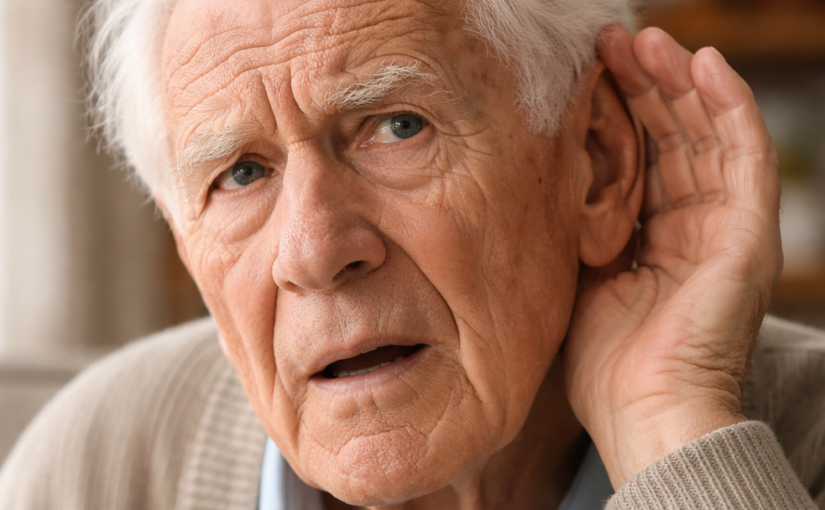
Every day over 11,000 people in the U.S turn 65. The senior population, 65 to over 100, is booming. These people often have significant dental needs, and they also have other needs that must be addressed. One issue that challenges team members in dental offices is hearing loss in elderly patients
Train your team to do the following when they communicate with older patients who have hearing loss:
- Speak slowly and clearly. Many people with hearing difficulties cannot follow rapid speech.
- Speak at a sufficient volume to be heard. Soft talkers frustrate people who struggle to hear.
- Speak with a consistent energy. Avoid the common habit of your voice trailing off at the end of a sentence.
- Make eye contact, rather than looking at a paper chart or computer screen.
- Speak to the patient, not the person who accompanies them. A caregiver can be helpful, but you do not want to give the impression that you are ignoring the patient or giving up on trying to communicate with them directly.
- Smile. Wait for some acknowledgment that your messages are being received.
- Be patient and understanding.
Here is the challenge—and the solution. Many team members think they are already putting these tips into practice. They think this advice is for someone else. Test that hypothesis by role playing. Divide into pairs and have one team member speak to their colleague who is playing the part of an elderly patient with hearing loss. Then reverse roles. Use the points above as a checklist.
It is interesting how even some excellent team members have an epiphany and discover that, for example, they speak low and fast, drop syllables at the end of a sentence, or make only intermittent eye contact. With just a few minutes of practice, however, awareness takes hold and communication improves. It’s always gratifying when patients hear your messages loud and clear.