Podcast Transcript
0:03 Welcome to It Comes in Pints, a Seattle Study Club podcast where we will explore
0:08 a myriad of topics, clinical, health and well-being, psychological, education,
0:14 business, and much more. I'm your host, Greg Ty.
0:20 I'm David Schwab, and what I do is I'm a professional speaker and a consultant and a coach for dental practices. And
0:26 when it comes to dental practice consulting, what I do is I help practices educate their patients, uh,
0:33 train their teams and grow their practices. I want to welcome everyone to the latest episode of It Comes in Pints,
0:40 a Seattle Study Club podcast with your host, me, Greg Ty. And joining us this
0:47 time uh, is the inimitable Dr. David Schwab. And David, we go back a long,
0:54 long ways. I was trying to think this morning when we first met, but it had to be 96 97.
1:02 Well, you would know the last time the Seattle Study Club had the meeting in Seattle. Was that 98?
1:09 98. Yes. 1998. And that's when I met you. Yeah.
1:14 Yeah. So, long time. So, forewarning everyone, we're going to go off the
1:20 rails with this one. So now uh to start this podcast as we do
1:26 with everyone because I really want this to be more like you and I are sitting together in a pub and not online talking
1:33 to each other via video. Um so to do that we have to have a drink
1:39 together. So what did you bring to to enjoy today?
1:44 I brought a Heineken Zero. Oh very nice. Very nice. Well, I am
1:49 going to go a little more challenging a little 12. So, we'll open this and
1:56 pour it and then we'll Cheers and we'll get started. So,
2:02 set that aside and cheers my friend. Cheers. Cheers. All right.
2:10 All right. So, here's where I want to start because your background I think is quite
2:15 interesting. you have worked at the ADA uh at the American College of
2:21 Prostadonics. Uh and I want to talk about that a little bit, but I I I want to hear the story that I've never heard.
2:28 How did you get into dentistry in the first place? My good fortune, I guess. Um I I was uh
2:36 working at the ADA. Um, I got to work at the ADA because I was finishing my graduate degree, PhD in English from
2:43 Northwestern. And I, somebody told me that there was this job opening there. And long story short, uh, because I knew
2:51 somebody, I got an interview. And when I got the interview, I was pretty impressed. I didn't know the ADA had their own building. I didn't know how
2:56 big a deal it was. And I went in there and they were looking for somebody to
3:01 run their accreditation program. When I say run it, I mean administratively run it. They obviously had uh dentists doing
3:07 general dentistry and oral surgery and all the specialties pero going out and accredit to uh for accreditation of
3:13 programs but they needed somebody to administratively run it as sort of an education person and that's what I did
3:20 and it was sort of my residency program because for three years I was flying all over the country learning about
3:26 dentistry. That's amazing. So you were there for three years?
3:31 Yeah. And then and well I was there for three years in that job. I was there a total of six years because I got when I left there uh
3:38 left that job I was promoted to uh uh running the seminar program which is everything except the annual session. We
3:45 had seminars all over the country and sort of uh incentivized the local society so they could make money on it
3:51 and or break even whatever they wanted to do sort of a business within a business and but by the time I left I
3:57 was director of marketing there. Right. And then you executive director
4:02 at the American College of Prostadonics. Is that right? The the the uh American College of Prostadonics at the time had an office
4:09 in San Antonio, Texas. And it's I'll try to make this a 20 second story. It's
4:14 about a two-hour story, but they were not on a co-equal status with uh AAP or
4:20 AOMS because there were there were multitude of prostadonic organizations and but the American college was the
4:27 only one that was composed only of specialists. So, it made sense for them to take that role. So, the
4:32 accomplishment there was getting them along with a lot of other people out of work getting them recognized. And once
4:37 they were recognized, I opened an office for them in the ADA building and built up a staff and then and then we could
4:43 communicate with all the other specialties. Okay. And how long were you at ACP?
4:48 Uh about six years and then um it was but it was
4:54 always on a consulting basis because I said, you know, you guys you need like a lobbyist. You need a lobbyist in Chicago
4:59 to push your interest. But by the time I left, it had grown into more than a full-time job. Plus, I was already doing
5:04 my speaking and consulting. and I said, "I can't have all these full-time jobs." So, they were very nice and I said, "I I
5:10 really need to give you a lot of notice, but I need to go on and do my thing." So, uh I left and uh did full-time
5:17 speaking and consulting. So, at the time, was the speaking and consulting was that a side gig for you
5:24 and ACP was the primary or and it blossomed? How did that come about?
5:29 I was doing both of them kind of a lot. Okay. And by the time I left, I said, you know, listen, you're you're
5:35 recognized. Everything's good. You can have somebody else come in and twist the dials, but I gotta I got to go do my
5:40 thing. So, it was it was it was great. Uh but uh you learn a lot about organized dentistry and about everything
5:45 else. I mean, when I was at the ADA, I was one of 400 people. When I was hired by the ACP and I was the executive
5:52 director, I mean, every question came to me. So, that was and I was busy, you
5:57 know, getting resources and putting things together. So, but it was great. What a great learning experience though. Oh, it's wonderful. The whole thing. ADA
6:04 was great and u ACP was great. But I'll tell you, doing a lot of lectures all over the country for Seattle Study Club
6:10 is fantastic, too, because you learn so much. Oh, yeah. 100%. And and obviously you're
6:18 very busy on the marketing, consulting, speaking side of things. Um,
6:25 but your take is a little different, especially when I think about marketing. when you're when I see you up in front
6:32 of a group teaching or when you're consulting, you don't talk about clicks and likes.
6:39 And so talk to me a little bit about your approach just from a marketing
6:45 standpoint. Well, it's really a marketing communication approach because obviously
6:50 all those things are important. You want to get clicks, you want to get likes, you have to have an online presence. I mean, all those things are terribly
6:56 important, but it comes when it when you get right down to it, it's a communication business. So, uh, being
7:02 able to relate to people, being able to explain things to them in a way they can understand, following up with people in
7:09 a way that's extremely low-key, very, very subtle, but on the other hand, methodical. So, we're following up with
7:16 people, not letting things get away. And there's a lot of team training that goes into this. There there are some fantastic uh people in the Seattle Study
7:23 Club network, but they will tell you they've got great teams and they do, but all those teams need to be trained and
7:28 we can't assume anything. And I'll just tell you assistants have usually, not always, a formal training program.
7:34 Hygienists certainly have a formal training program. People work at the front. Sometimes it's just on the job
7:39 training. Now, they may have great backgrounds. They may have great customer service sense, but let's not
7:44 make it up as we go along. Let's get some training here. Yeah, absolutely. I would I would put
7:51 the way you approach marketing and communications and I don't mean to use this term but I
7:58 can't think of another one. It's really a holistic approach because it's it's about the entire engagement with the
8:05 patient and it's not just advertising or marketing or get them to call or just
8:12 answering the phone. There's there's a whole continuum of activity that needs
8:18 to be dialed in. That's true. And many times somebody will hire somebody to do the the
8:23 conventional marketing, get the phone to ring, and the phone will ring. Uh but then what do you do next? I mean, I I've
8:31 seen marketing programs where there's all this money that was spent to get the phone ring, but not literally not one
8:37 dollar on what happens when somebody picks up the phone. Yeah. So, you know, we've got to work on that.
8:42 What do we say? Yeah. What do we say? And those patients are not who come from those phone calls
8:47 are not the typical patient. Patients who come from referrals, you sort of start on third base. Patients who come
8:54 from the internet or advertising, their dental IQ could be all over the place. Their their their background could be
9:00 all over the place. So, you have to be able to to sift and sort that. So, it's a challenge, but it's doable. Yeah. All right. So, I've wanted to ask
9:07 you this for 18 years. This will be good.
9:13 Anyone who's heard you speak knows knows their belly is going to hurt before the
9:19 end because they're going to be laughing so hard because you're entertaining. The humor is at a level that is subtle, but
9:28 you're literally laughing out loud during the program. But I know that anybody who's heard you
9:34 speak will also recognize the name Mrs. Higin Looper. And I have to know, is she a real person
9:42 like your kindergarten teacher or something? Or did you just make her up? Well, you know me well enough to know I
9:48 make everything up. You know, that's the wonderful thing about being a professional speaker. You don't have to
9:53 do anything. You just have to talk about it. It's great. But, um, I'll tell you what happened. Uh, way back when I was
10:00 at the ADA and I was very young, I went to a practice management course and the speaker was quite good and he was
10:05 talking about Mrs. Jones all day. And Greg, when I tell you he said Mrs. Jones in every other sentence. I am not
10:10 exaggerating. And the Mrs. Jones count per minute was off the chart. And by the
10:15 end of the day, I thought to myself, I am so sick of Mrs. Jones. There's got to be somebody else. So, I I went out
10:22 speaking and it was Mrs. Higin Looper. And people enjoyed it. And I'll tell you a funny story. When I was when I was
10:27 when I wrote my book, I uh and I had the acknowledgements. I almost put Mrs. Higin Looper in the acknowledgement.
10:33 Oh, you should have. That would have been great. The only reason I didn't is that I didn't want to detract from the
10:38 real people I thanked like you. I wouldn't I thought that wouldn't be fair. But uh yeah, so she's but she's
10:45 been with me for years. And I'll tell you one more quick funny story. I got a call once from a dentist I knew. S was a
10:50 Seattle study club guy and he said, "You'll never guess who's on my schedule next week." Mrs. Higgin Looper. No. Yes.
10:57 He had a Mrs. Higgin Looper on. And so wait, you know what I told him? I said, "Well, I referred her to you because
11:02 you're the best in your area. And please send me a picture of the screen. No, no, I don't want to ruin it. You
11:09 know, that's a perfect segue. You're you're an
11:14 avid writer. I mean, I can't think of the week or the month I've turned around
11:20 and there's not another article from David Schwab because you're you're prolific at writing and the content is
11:28 phenomenal. But before we go to your book, I'm curious.
11:36 What are you reading right now? Oh, I'm I I'm reading I try to read an
11:43 eclectic uh variety of things. I mean, I read history books and everything else. I read business books and I read things
11:49 about, you know, I just read a book about AI and so I'm trying to read all this stuff and I also glean a lot. I
11:55 read books a lot, but I also glean things from little articles. And I said, "Here's a little tidbit I didn't know.
12:00 And if there's a way to relate it to dentistry, you know, I'll find it." But if I showed up in your house today,
12:06 what would I find on your nightstand? Um, reading right now. Find my alarm clock and my and my iPad
12:12 because all the books are in my iPad. No, I lots of books. So, I just finished
12:18 Crime and Punishment and u a real light. Nice. I went back to a classic. Yeah. I I
12:24 won't want to give it away, but the guy did do it.
12:29 No, I I was interested. It was all this philosophical stuff I got interested in. But and I like history. I like the turn
12:35 of the century history, turn of the last century, n 1900 when when um all the
12:40 technology came in and the entire world started to change. I think there's a lot of parallels with our time. So, I like
12:46 that sort of thing. And I'm also, you know, I I like any any kind of good writing. Somebody's got something about
12:51 uh you know, a good mystery or a story, you know, I'll read that, too. Brilliant. All right, so let's let's get
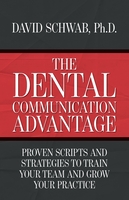
12:59 down to it. This is the new book. Yeah, that's Dental Communication Advantage. The
13:06 spine is broken. I've even got some pages dogeared that I'm going to ask you about. So, you know, I've been reading
13:12 it. Um, so it was just released. Yeah.
13:18 You cover a lot of territory in this book. messaging, phone skills, creating
13:24 value, fees, insurance, hiring, culture, hygiene, bringing in a new doctor, etc.,
13:30 etc., etc. Let's start here. Why did you write this
13:35 book? I think I wrote it because I was asked to because I would do a lot of uh
13:42 speaking and people would say to me, do you have a book? And I always said, well, I have a lot of articles, which
13:48 you alluded to, but I didn't have a book. And I thought, you know, I do do need to have a book. So, what's interesting because I've traveled all
13:54 over the US. I've lectured a lot in Canada, too, and outside the US, too. But but traveling around the country,
13:59 you learn a lot. And I thought, okay, I can take a lot of the stories and a lot of things I've learned, good, bad, or
14:05 indifferent, and all the things I talk about in the lectures, and you can't cover everything uh in one book, but I
14:11 tried to be comprehensive. Well, and I think there's there's some
14:16 brilliance in that because you do even in your programs, you cover
14:22 a lot of territory, but people walk away with dozens of takeaways, dozens of
14:28 things they can implement immediately in their practice. But you and I both know
14:34 that it's no different than sitting and watching television. it becomes in one ear and out the other unless there's
14:41 followup and review. And the book gives anybody in one of your courses a chance
14:46 to go back and go, okay, let's I remember he talked about fees. I want to go read about that again to sort of
14:54 reignite that direction for me. So I I think that's that's great. Now given
15:04 given the multi- varied topic areas in the book,
15:11 you cover so much. Why was it structured this way? Because there's there's a cadence and a structure to what you've
15:18 developed here. What's the thought process behind that? The thought process was to sort of make it little mini sound bites, so to speak,
15:25 and to have at the end of every chapter um a sort of mini staff meeting. So it
15:30 says at the end of every chapter is a section called your turn. So apply what you've learned and here's some thoughts
15:36 to help you. Here's some questions. If you want to have a team meeting, a good team meeting, a substantive team meeting, it's laid out for you. And part
15:43 of it is review and part of it is discussion. You know, what do you guys think? Yeah, there's and there's a great
15:49 there's a great flow to the book. It's it's organized from start to finish in a
15:55 natural progression of items. So, there's a story or a through thread
16:01 there, but it's also kind of like a reference book. Meaning, if I want to go back and remind myself on the insurance
16:07 component or whatever it is, I don't have to start at the beginning of the book, I can pick up where a little piece
16:14 here or there if I choose to. Yeah. I mean, I say this on on my website, you know, davidwro.com. I say,
16:20 "Hey, go go go to the book and read it as a guide book, read it as a reference book, or read it as a book cover to cover with stuff in it, and however you
16:27 want to use it." Um, dip into wherever you want. You don't have to read it chronologically. There's one topic that interests you, go for it.
16:34 Was there was there a um a legal challenge to calling it the hitchhiker's
16:40 guide to dentistry? You called it a guide book. So, there there's a there's there were a lot
16:45 of legal challenges to a lot of titles. Let's just put it that way. But I but I think dental communication
16:51 advantage works great. All right. I want to ask you about one section in particular. Um, in
17:00 chapter eight, you talk about the elevator pitch, which which was eye openening to me
17:06 because look, I've been doing this nearly, not quite, but nearly as long as you have,
17:11 and I have never given a lot of thought to the conversations that Fred Eworth
17:18 might have with somebody at a wedding or at the grocery store or wherever. the
17:25 elevator pitch from a clinician, from a dentist. And one of those in there, and you give
17:33 actually examples of depending on what kind of clinician you are or what
17:38 direction you want to take, here's how you when somebody says, "What do you do?" Instead of saying, "I'm a dentist,"
17:43 you might say, "I'm a general dentist." I'm going to read verbatim what you wrote, "I have a passion for my
17:49 profession." We offer comprehensive dentistry and the practice grows by word of mouth referrals. What questions do
17:56 you have about dental problems that I can answer for you? The that stuck out to me because of
18:03 Seattle Study Club's focus on comprehensive dentistry.
18:08 What's been your feedback from people who are doing that? Do people start to ask what is comprehensive dentistry?
18:15 What's the difference between that and regular de like well the the the whole the whole idea
18:20 yeah they do the whole idea is to be a conversation starter and I think to to to back up a little bit about about the
18:26 elevator pitch if somebody says you know some dentist or it could be staff too I
18:32 do a lot of work with the staff it could be the assistant the hygienist anybody but let's just go with the dentist somebody says at a social event and they
18:38 say um what do you do for a living if someone says I'm a dentist uh it can be
18:44 a showstoer hopper because people don't often have positive associations with dentistry or it can be sort of a oh okay
18:52 I get it and whatever my preconceived notions are they just kicked in and and by the way you know what do you think of
18:58 the weather I mean we're we're done with that conversation but if someone says you know I do comprehensive dentistry
19:03 and I do this and I do this and then some yeah people start saying what does that mean even you know how does that work and it gets into a conversation now
19:09 some people don't want to have honestly at a cocktail party a 10-minute conversation about dentistry But they
19:15 are interested in you know and then somebody says well what question you know I've always wondered about this and I heard this and I heard that now
19:20 they're having a little conversation even if the conversation only goes on a minute or two they go back and they say I met this person really nice person
19:27 happens to be a dentist it does comprehensive dentistry which is kind of interesting and and turns out you know
19:32 this person even though they're a specialist they're accepting new patients or they're a general dentist they're accepting new patients it's like
19:38 wow you know they they got something out of it and u I will tell you just just
19:43 very quickly If you look at all the ways to get patients, you know, word of mouth within the practice and maybe you can do
19:48 advertising and the internet works for you. Those are all fantastic, but we're always looking for one more way, right?
19:55 In other words, let's not let's let's diversify the portfolio a little bit. And if somebody's just a dentist and
20:02 they're going around in their normal life and social circle and they say some of the right words as opposed to some of
20:07 the stop sign words, Yeah. all of a sudden they pick up a new patient.
20:13 Yeah, because that person talks to another one. Whether that person becomes the patient or not, it it allows the
20:21 conversation to move away from, "Oh, I've had some pain back here." And if they haven't, then the conversation's
20:26 over to to wait, you're a consultant, like if I was having that conversation
20:32 with you, what does that look like? Like you work for Deote? I I don't understand. Right. Yeah. There, Greg. There are
20:39 certain dentists and we know them that you could lock them in a in an in a in an empty room and they would come out
20:46 with three patients. And there are other dentists we know you could lock them in a room with a hundred eentilist
20:51 millionaires and they couldn't find a patient, you know. So, so but so it's part of it is now the interesting thing
20:56 is this is that that what you focused on is what I call dentistry in the wild because dentistry in the controlled
21:03 environment in the office they're great in the in they'll talk to the patient educate everything's wonderful. do a
21:08 fantastic job, but put them outside of that comfort zone at a social event. Somebody says, "What do you do for a
21:14 living?" And it's almost this this mumbling apology as opposed to, you know, I got this great message and love
21:20 to talk to you about it. Yeah. But you have to think about that, right? That's not a natural
21:26 The way at least many of us were raised was to be humble. Oh, here's what I do,
21:31 right? It's I'm the COO. I'm a consultant. I'm this. I'm that. And
21:36 that's the end of it doesn't open a conversation. But I I do aesthetic dentistry. Oh,
21:43 really? What is that? Like uh the extreme makeover this or that comprehensive?
21:48 Absolutely. But it starts some interest and some connection. I
21:54 love I love that. All right. So the the book is fabulous.
22:03 For those that aren't readers,
22:08 what would you say are the three most important takeaways from the book?
22:13 Well, if I had to pick a few takeaways, I would say, you know, I talk a lot about the easy verbal skills. Easy once
22:18 you know them. And uh for I'll give you just a few examples, and some are sort of humorous, but they're they're they're
22:23 on point. And because I hear these all the time, I hear the term dental insurance in in practices all the time.
22:29 And I think it would be much better to say dental benefits because dental insurance sounds like medical insurance
22:34 and medical insurance and dental insurance are not similar at all. They're about as similar as a lion and a
22:40 lion fish. They sound alike, but they're totally different. So we want to say, you know, we we want to talk about
22:46 dental benefits, which are and when in instead of saying to somebody, well, this is not covered by your dental
22:51 benefits. Your insurance doesn't cover this. That's a big stop sign. You can be honest and get the same information out
22:58 and say it a little differently. The proposed treatment is beyond the scope of dental benefits and dental benefits
23:04 have a very limited scope and explain what that is and and this is beyond the scope of dental benefits. Now, if it
23:10 pays something, it helps out. That's great. And we'll do everything we can to help you maximize those benefits, but
23:15 they're going to be limited in scope, just so you know. Yeah. Well, and it's a much better way. I like that a lot because it's a much
23:22 better way of putting it than it's a coupon, which is in essence what it is. Right. Right. Right.
23:27 But you don't want to call the patient an idiot. Well, you just you just bought a coupon book. So,
23:34 exactly. I'll I'll tell you I right to your point. Um I think I say this in the book and the first dental benefit
23:40 program in the United States came out in 1954, a long long time ago, and it paid $1,000 a year.
23:47 Now, 2026 27 as we go forward, if dental
23:52 benefits had kept up with inflation, the average dental benefit program would now pay $11,000 a year.
24:00 Not even close. So, nobody's ever done the math before that I know, but I find Well, I wonder
24:05 how this would translate. It didn't translate well. So, when the patient says, "My insurance company says your fees are too high." Well, um I don't
24:12 think the patient wants 1954 dentistry. Yeah, we could do that if you want.
24:18 Yeah. So, we know. So, it's it's an interesting thing. We we understand where the lag is here. But, so I do
24:24 think I think some of the verbal skills would be one of the answers I'd give you. Um I think um you know, talking
24:31 about value for the dollar is a big deal. Uh what somebody gets out of it.
24:36 You know, uh I quote Jeff Bezos a lot of times when I lecture. Uh he was asked once, well, you were the great
24:42 visionary. What do you think is going to happen in the future? What's the future of business, Mr. Bezos? His answer was
24:47 brilliant. He said, I don't know. I can't predict the future. But I'll tell you one thing. You're asking the wrong question. You shouldn't ask what will
24:54 change. You should ask what will not change. And what will not change? One of the things he said is a great emphasis
24:59 on customer service and value for the dollar. And if people understand what they get out of it, and it sounds so
25:06 simple, it sounds so incredibly simple, but it's not. uh there's a lot of discussion that has to go that has to go
25:12 into this uh to to to make this work. So give me an example of a conversation
25:18 around value. Sure. I have uh what I call five pillars of value if I can remember them.
25:23 Prevention, health, uh uh function, uh what else do I say? Prevention, health,
25:31 uh function, aesthetics, and I guess I would say quality of life. So if you put those down, somebody comes in and says,
25:36 "I'm missing a tooth in the back of my mouth." And I know you want to fix it because you're a dentist and it's driving you nuts. It's not there. But I
25:43 got to tell you, if you do a whole implant and tooth and everything, that's going to cost me a lot of money. Nobody
25:48 sees it. Nobody cares. So why should I spend the money? So how do I as a dentist explain the value of this
25:54 procedure? Well, and I'll I'll be brief, but one of them is a prevention message because if you're missing one tooth, you
26:00 start have shifting teeth. And u you can put this in layman's term, but super eruption of of opposing teeth, and
26:07 that's a problem. Uh, so that's that's prevention. Another thing you end up with is therefore a functional problem
26:13 because everything's moving and it's not supposed to and the bite gets thrown off. You you could end up with an
26:18 aesthetic problem because a one tooth problem could create a cascading effect and you could have something in the
26:23 aesthetic zone when all all is done. you know, you you you you get into those kinds of issues and certainly uh you you
26:30 could get into uh all the aesthetic issues and the health issues come down to teeth that are too close together and
26:37 out of position or harder to clean, harder to floss. You're more susceptible to decay and perodonal disease. So, when
26:42 you put all these things together, um what we're what we're really talking about, Mrs. Sean Looper, is a quality of
26:48 life issue. And by replacing one tooth, we avoid a whole mouthful of problems
26:53 which gives you all the benefits we just talked about. So that's a value proposition. So let me ask you a question around that
27:00 then because I love the way you brought that back to a singular point. You
27:06 addressed multiple there, but you brought it back to a singular point of quality of life.
27:13 In your opinion, do you find that as effective, more effective, less
27:18 effective than being genuinely curious? Like, Mrs. Hagen Looper, why did you come in today
27:25 about that missing tooth? What What bothers you about it? Oh, it's both obviously. I mean, we have
27:32 to all that there's a great interview process and what motivates you. I always say when somebody shows up, maybe they
27:37 haven't been to a dentist in years and all of a sudden they show up, it's a window of opportunity. the window just opened. And if the if you don't hit that
27:44 window, it's going to close. And if a patient's not in pain, they may not come go seek care for another three or five
27:49 years. So what you know why? We had one man who called an office and said, "Well, my he I'm 60 years old. My uh my
27:57 adult children gave me a cruise. It's coming up in six months, but I understand that when you go on a cruise,
28:03 you're supposed to get a lot of pictures taken. You're supposed to eat a lot of food. And the way my mouth looks, I can't do either one. Can you help me?"
28:10 Sure, we can help you. And and then it's like, well, you know, but it's but the benefit will be not just the days of the
28:17 cruise eating, and the benefit won't just be the photos, which was a wonderful benefit. The benefit is going to be all the health benefits and the
28:24 the fact that, you know, it will basically improve the quality of their life for the rest of your life.
28:29 Yeah. You add weight to that positive side of the scale for them while addressing their individual need. So,
28:37 do you believe curiosity can be taught or is it innate? Meaning, I've got a
28:46 bunch of team members and I've got two or three who just naturally ask those questions like I've never had to train
28:52 them. Can the others be taught to be that way or is that just human nature and we
28:59 can't fix that? No, a lot of things can be taught and and certainly u you know I
29:04 people ask me about scripts all the time and it's not when I say scripts it's not hello Mrs. a second looper, how are you?
29:10 It's basically talking points, right? But if you know how to do an interview, you know know your talking points, you
29:16 know what to say when somebody throws an objection your way. Yeah, you can you people can be taught to bring people
29:21 out. Um I mean it this may sound like the smallest possible thing, but um I've
29:28 seen offices where the assistants are fantastic, but they go out and pick up the patient in the reception area and
29:34 and they walk them back. And sometimes that conversation is fine because the patient's friendly and outgoing. Sometimes the patient's quiet. Sometimes
29:40 they're nervous. And sometimes those those conversations aren't going great. So if we can tell people how to break
29:47 the ice and talk to them and say, "How was your drive over here?" "Oh, did you have to come very far?" "Yeah, well I
29:52 live over here." "You know, I live over there, too." And all this. Next thing you know, we're having a little bit of a conversation, a little ice breakers. And
29:59 then let me tell you what's going to happen today. First of all, the doctor's going to come in. He or she is fantastic. But let me just tell you a
30:04 little bit about what's going to happen. Now the patient's starting to relax and engage and have a little conversation.
30:10 So yeah, they can be taught and and a great deal of what I do is is teaching just that.
30:15 Yeah. Brilliant. Okay. So that's two. What's the third takeaway? I think um one of the things that
30:23 happens a lot in offices nowadays is I've got practices calling me saying I want to get off of this insurance plan
30:30 because and how do I do it? Now, I never tell anybody, "Hey, I've looked at your practice. Get off this insurance plan."
30:36 I don't do that. But what I do do is say, "If you've made the decision, I'm going to help you do it." Um, and the
30:43 reason it's so important now is the gap between what insurance pays and what it costs to run a practice is wide. A
30:50 couple years ago, we had 9% inflation, so that gap got wider. Now, the inflation isn't so high, but every new
30:57 point of inflation is on top of the old inflation. So it's a wide gap. So I've
31:03 got people calling me say I can't do it anymore. So one of the things I tell you is what not to do. What you don't do is
31:08 write a letter to all your patients saying we are dropping this insurance plan just to let you know when it'll
31:13 give you heads up because as soon as you say that they think they've been thrown out of the practice. So we we approach
31:19 it very systematically and we tell patients as they come in as they come in and we say you know we held out as long
31:25 as we could but in order to provide the quality of care that meets our standards we're not going to be able key word not
31:31 going to be able to work directly with this plan anymore. Now you'll still be able to use it. You'll still still be able to get some benefits and we'll help
31:37 you maximize your benefits but we are going to have to go out of network with it. So, I just wanted to let you know
31:42 what's going on and give you a heads up and you can ask any questions and we'll be glad to answer them for you. Now, the
31:48 next time you come in, we'll probably we'll still accept it, but the time after that. So, I'm just trying to let
31:53 and we'll talk about it as you go through. So, we prepare people and then we let them know in writing and and and
31:58 really have conversations with them. And some patients say, "Well, you know, I'd be crazy to come to you because I can
32:04 get my cleanings free somewhere else on my plan." Okay. But you know, if you need something beyond that, the door is
32:11 always open. If you know, you you trust us to do something a little bit more complex, we'll do it for you. It's a
32:17 once in a-lifetime thing. But whatever you choose to do is fine. And whether you want to come back and forth or go
32:23 someplace else, whatever you do is fine. But we just want to want you to understand that we just I I'm not going
32:29 to do dentistry for you. I wouldn't do for my family. And we just can't compromise our standards. Yeah. Love that. And what you're doing
32:36 in that scenario is not allowing the patient to fill in the blank spaces. If
32:41 you send them a letter and say, "We're dropping the insurance. Um, but we'd love to have you stay with us." They're
32:48 filling in the blank spaces. Oh, he's mad at me. She's mad at me. I Whatever
32:54 it is, they'll make it up in their head. And to your point, they think they're being booted out of the practice. And
33:02 but you need that Script is a great word and you're right.
33:07 It's not a reading from a script, but it's talking points. It's bullet points
33:13 to address those issues. And that takes practice. That takes repetition. Like, I
33:19 don't think I could go to one of your seminars and then have that insurance
33:25 conversation with every patient that walked through the door. I would need to pra personally anyway, I would need to
33:31 practice that multiple times before
33:36 doing it with an actual as much as I as much as I love the lectures. And if I could, you know, it's great, I do do a lot of consulting and I
33:43 do visit practices on site, but I I follow up with a lot of Zoom calls. And the way I do it is, let's say you have a
33:49 practice that's going through this, then I I never call it role playing because role playing is something that makes people nervous. I call it I call it
33:55 practice and say okay you don't want to you know if you were in a Broadway play and you didn't rehearse and the curtain
34:01 went up you'd be really nervous. So so let's rehearse while there's nobody watching but us and I'll just say I'll
34:07 be the patient and you know and we go back and forth and I'll say and I always say hey you did this right you did this right you did this right and is there
34:14 anything that you think you could have improved. Well I wasn't sure about what to say here or there. All right then we'll then we'll help you with that. So,
34:20 it's a lot of positive reinforcement and people start developing confidence and they say, "Hey, you know, you're doing
34:25 great." And I think, you know, from the standpoint of of a worker, a a person in
34:35 a practice, if if we can shift the mindset from I'm
34:41 being criticized to I'm at spring training, right? the, you know, Aaron
34:49 Judge goes to spring training every year for baseball and he sits there with his
34:54 batting coach, Dr. Schwab, who says, "This is working. This is working. This
35:00 is working. I want you to open your stance a little. I want you to try this. I want you to try that." It's
35:06 corrections for performance, not Aaron Judge, you suck as a human being.
35:13 And if if people could think about roleplaying and that kind of stuff as spring training, working with you
35:20 individually, I think that would make a big difference in the way they approach
35:26 that kind of coaching. I'll let you in on a little secret, Greg. I sometimes feel that I sometimes
35:34 feel that I am um breathing rarified air because I get to deal with some outstanding practices, Seattle study
35:41 club practices. All right? And I really don't know what the average dentists are like sometimes because I I'm very
35:47 privileged and and and blessed to do this. But it so the but the you know you know who contacts me and I get these
35:53 emails, these phone calls. They go to my website davidwro.com. There's a little box. They fill it in. It's the really
35:59 excellent practices. I've had practices I say, "Well, your production is fantastic. Your practice is what do you want me to do?" And they say, "Well, I
36:05 got to get a little better." And it's kind of like the the the golfer who wants to take one stroke off, right?
36:10 Even though they're already really up there in terms of leaderboard. So, it's the best who want to get better.
36:16 And and that's why they're so darn good because they're never satisfied. They're trying to get a little better. The train wreck practices, I never hear from them.
36:23 Yep. The the value of compounding incremental change. There's there That's
36:28 what it is. It's huge. It's huge. So, we will link to the book in the show notes, but where
36:35 can people get it? Is it Amazon, Barnes & Noble? It's on Amazon. It's on Barnes & Noble.
36:41 It's in physical form, it's uh in electronic form, you know, your iPad, your Kindle, whatever. But actually, if
36:47 they just go to my website, davidwab.com, I write I put it right up at the top so people could see it and link to wherever they want to go uh to
36:54 order the book. Uh and you know, I also love comments. You know, people call me and say they read this chapter and they
36:59 want to talk about it, whatever. You know, that's that's always fun. Yeah, that's So, let's shift gears a
37:06 little. You you speak all over the country. Well, all over North America,
37:11 right? Canada as well. Um, to a variety of dental offices, audiences.
37:19 What are you getting asked by those audience members most often? What what questions come up for you most often?
37:26 I think they want to know where the profession's going. I mean, they say things like, "Well, we've got fee for
37:33 service practices. We've got uh and I include practices take insurance in that, but we've got fee for service
37:38 practices. We got practices that are seem to be heavy insurance. We've got corporate practices. We've got uh
37:44 specialists who are itinerate specialists and we've got corporate practices that have an in-house specialist. And wherever they are,
37:51 whether they're a general dentist or whatever they are, they say, "What's going to happen to the profession?" And I say, 'Well, I don't know exactly, but
37:57 I think I I have a little bit of thought about this, which is that I don't think
38:02 one model is going to chew up the other model, and we're just going to be left with one. I think we're going to be left with a variety of models. So, if you can
38:10 find a model that works for you, and you're happy with it, I don't think you're going to go extinct. The only the
38:15 only thing that is a little bit shaky is if you want to start a solo practice
38:21 from scratch and always be a one dentist practice. That's hard to make that work economically. Nothing's impossible. And
38:28 if you've been doing it for 30 years, you may be able to coast to retirement and be fine. But getting out of dental school, hanging out your own shingle,
38:34 buying all that equipment, and doing it without ever having another dentist in there to turn the crank is difficult.
38:40 But if it's a group practice, and a group practice can be two dentists, that's fine. Then, um, you know, the
38:46 economics work a lot better. But whether you choose, you know, whatever whatever practice model you choose, you can make
38:51 it work for you. Yeah. And we've got a number of members and a couple of brand new directors who
38:58 have actually opened from scratch. So, you're right. It's not impossible, but it is a heavier lift than it was in the
39:05 80s and 90s and early. And it's like lifting off, you know, from the Space Coast. Once you get the initial lift, it
39:12 gets a little easier. Is that getting off the pad? That's gonna be a little hard. Yeah, for sure. All right, let's let's
39:18 finish with this. Let's bring this full circle to your Jeff Bezos comment.
39:24 Uh, what's the future look like? Don't ask me what's going to change. Ask me what's going to stay the same. What's
39:31 not going to change in dentistry in the future? Well, a very famous guy by the name of
39:36 Dr. Michael Cohen once said to me a long time ago. He said, "Uh, it's all about
39:42 relationships." You and I have heard this about a billion times. And it turns out, Greg, what do you know? He was
39:48 right. Right. So annoying. I know. I know. That's why he's annoying to be around. He's always right. But
39:54 anyway, it's uh it's true. It's it's a relationship business. And I think that um what we have to understand is I talk
40:01 about this even in the first chapter of the book. You got to get past the dental cliche model. You've got to realize that
40:07 when somebody comes in, everybody knows this because they live it every day in a dental practice. Oh, patients can be nervous. The dentist is the last place
40:13 they want to be. But if if I use the analogy with the magician, if you don't have the showmanship, if you don't have
40:19 the connection, if you don't put the effort into it, there's no rabbit in the hat. It doesn't work. And so, you don't
40:26 want people, you said something really uh good earlier. You said about you don't want the patients writing it. No,
40:32 it's this is not a blank slate where patients get to write their impressions. This is a focused marketing campaign
40:39 internally where we tell you what you think about us, but we walk the talk. We
40:44 don't just tell you, we do it. So, we want people, one of the great things that I I've learned over time is, and I
40:50 think this is a Walt Disney quote. He said, "When when people come to my parks, I don't do a survey and say, "Oh,
40:56 gee, I hope I get good reviews." He said, "I figure out what I want on those reviews and then I create an experience.
41:03 I create an experience and then they say all the words that I was hoping they would say because that's the experience.
41:10 And if I don't get exactly what I was hoping for, I tweak the experience." So, we are we want people to say, "This
41:16 place was fantastic. They were caring. They were wonderful. They were nice. They took the time to explain things to me and they gave me a great smile or
41:22 whatever. They took care of my problem and I I can't wait to tell all my friends about it." Well, if that's what you want, then what behaviors do you
41:30 have to exhibit to get that kind of a review? Oh, I love that. What a great way to close. So, David, thank you for spending
41:38 a few minutes with us uh this afternoon. Uh I hope you enjoyed your beer. I
41:43 enjoyed Oh my goodness. Yes, I do. I I love your format. I love what you do. And uh you know, and uh you know, we should we
41:50 should we should do this more often just to just to talk and reminisce. Absolutely. Absolutely. Most of our
41:57 conversation would bore people to tears, but you and I would have fun. Yeah, we would we would we would entertain each other, I'm sure.
42:03 But I want to encourage everybody listening or watching to uh check out David's new book. It's very strong. It's
42:12 riddled with takeaways that you can use immediately. I would encourage you to think about bringing him into your club.
42:20 Phenomenal presentation. The team will literally their stomachs will hurt.
42:25 They'll laugh so hard. It's it's really good. And if you want to meet David in person, he's at symposium every year. So
42:32 come join us in Mark. I'll be there. I'll be there in January. You had the courtesy of putting it in Florida in 2027, which was very nice of
42:39 you. Right in your own backyard. Right. I've been a lot of places, but but yeah, if you go to my website, davidwro.com,
42:45 that's that's how you find me. And I obviously I have lots of conversations with people, not because I got hired to
42:51 do anything, just because somebody called me and uh what do I get out of it? I learned something from it and I
42:56 think it's really fun. So I'm I'm the easiest person to find. Brilliant. Thank you, David. Cheers.
43:02 Thank you, Greg. Cheers. Bye now.
The Dental Communication Advantage